Why Waxing Over Car Scratches Before Winter Makes Rust Worse
Kingston Collision • November 4, 2026
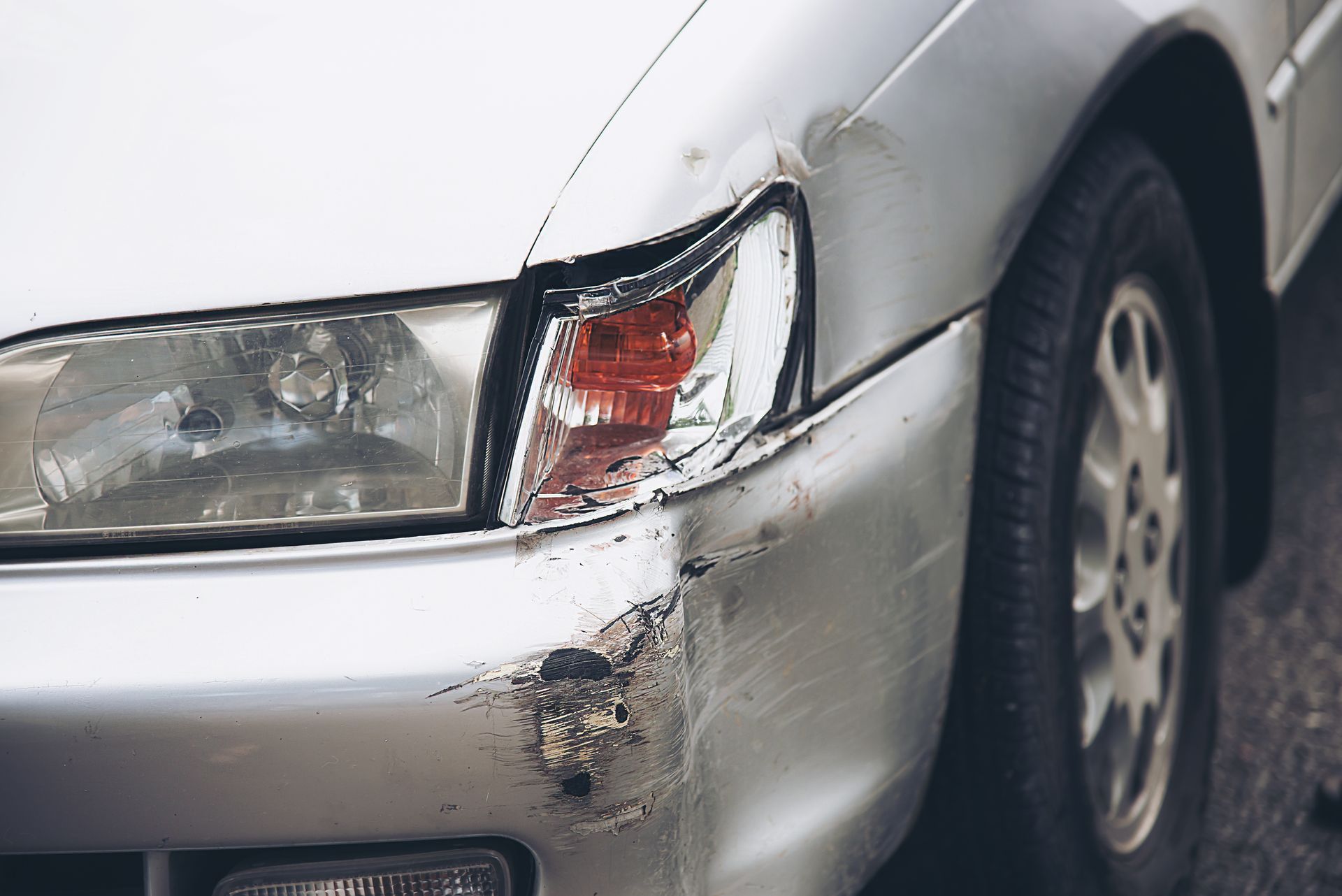
Preparing a vehicle for the colder months often involves a thorough wash and a fresh coat of wax to protect the exterior. Many drivers notice a deep gouge during this process and assume a heavy layer of paste wax will seal the damage until spring. The team at Kingston Collision regularly sees the aftermath of this specific DIY winter car paint repair tactic. Instead of shielding the vehicle from the elements this approach actively accelerates the degradation of the underlying metal.
The structural reality of automotive paint is very different from what traditional car care tutorials suggest. Modern vehicle finishes rely on specific chemical bonds to keep moisture out of the steel body panels. Relying on a temporary surface slick to do the job of a structural coating leads to severe oxidation. Understanding how these materials interact helps you avoid creating a much larger repair bill.
Here is what we cover in this guide:
- The Myth of Winter Wax as a Sealant
- How Trapped Moisture Accelerates Rust in Freezing Weather
- Why Bare Metal Requires Proper Automotive Paint Repair
- Frequently Asked Questions
The Myth of Winter Wax as a Sealant
People commonly assume that if wax makes water bead up on the clear coat it will also keep water out of a deep scratch. Does car wax protect scratches from rust? The short answer is no. Automotive wax is designed to sit on top of an intact clear coat to provide UV protection and chemical resistance. It is intentionally formulated to be breathable which means it cannot form a watertight seal over exposed steel or aluminum.
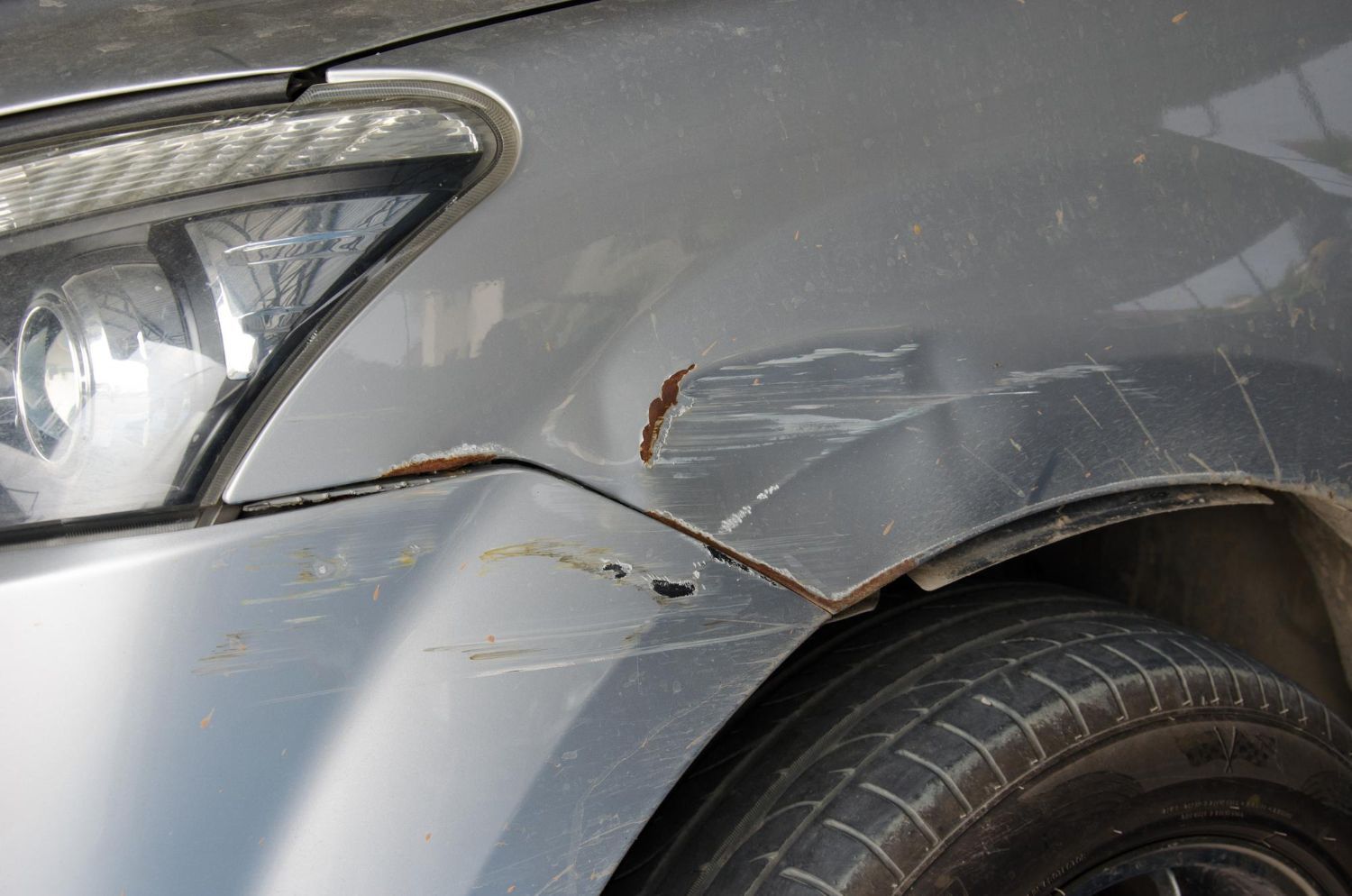
When you rub wax into a deep scratch it fills the physical gap but does not bond with the bare metal at the bottom of the gouge. The wax simply sits in the cavity while microscopic amounts of ambient moisture are trapped underneath it. This creates a tiny greenhouse effect right against the unprotected steel of your door or fender.
How Trapped Moisture Accelerates Rust in Freezing Weather
Once moisture is trapped beneath a plug of wax it begins to react with the bare metal immediately. Driving conditions in Kingston, Ontario make this situation significantly worse during the colder months. Local roads are heavily treated with salt and liquid deicing brine to keep traffic moving safely. These corrosive chemicals mix with slush and easily penetrate the porous edges of the wax plug sitting in your door panel scratch.
This mixture of salt and trapped moisture forces oxidation to occur silently beneath the surface. You might look at the scratch a month later and think the wax is still holding strong. In reality the rust is spreading outward under the healthy factory paint and eating away at the structural integrity of the panel. By the time the paint begins to bubble up the damage requires extensive metalwork rather than a simple touch up.
Why Bare Metal Requires Proper Automotive Paint Repair
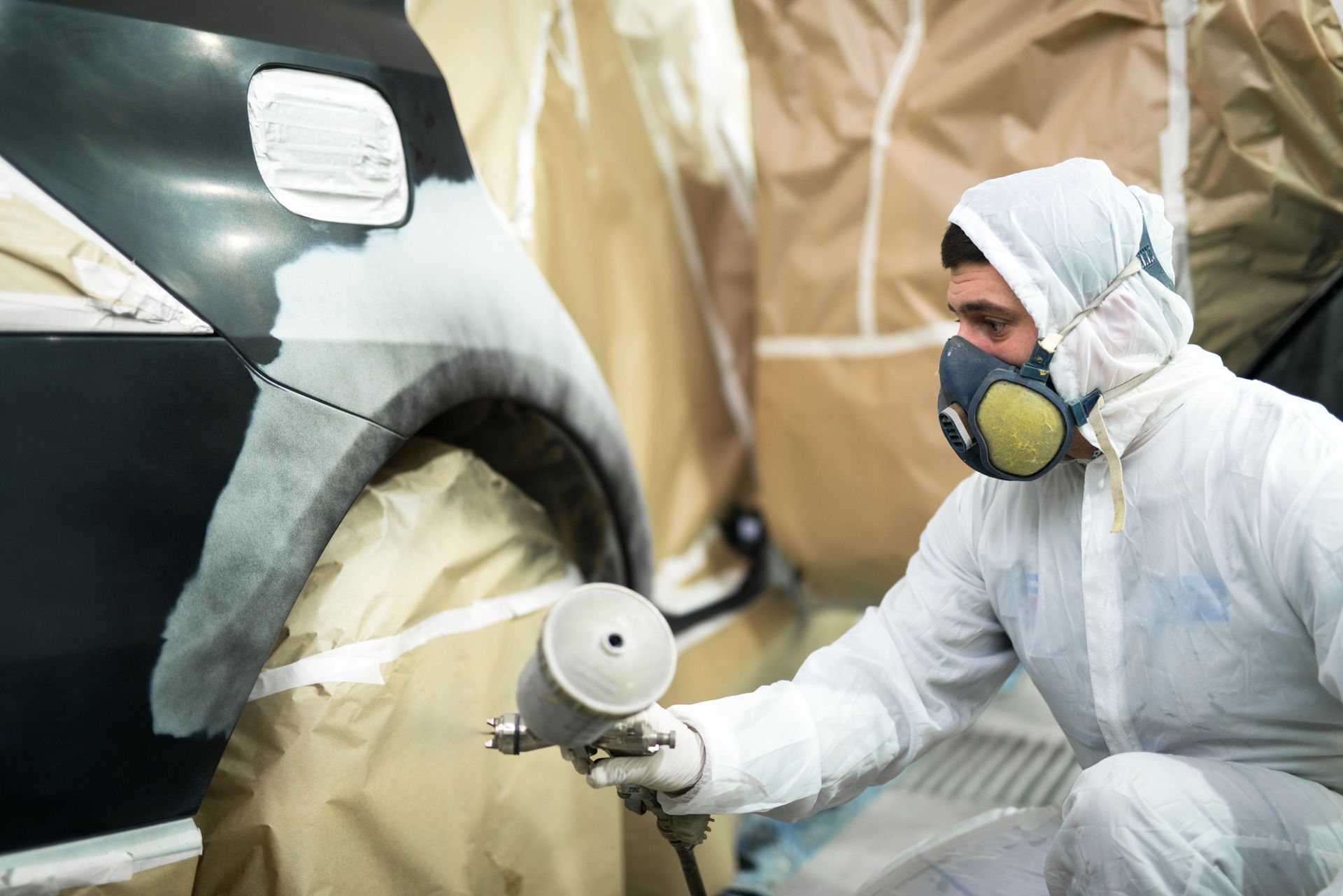
Stopping the rust cycle requires entirely removing the oxidation and sealing the panel with structural automotive coatings. Professional technicians strip the damaged area down to clean steel to ensure no moisture remains hidden in the grain of the metal. They then apply an epoxy primer that chemically bonds to the surface to create a permanent waterproof barrier.
Providing this level of honest mechanical advice instead of simply selling a temporary patch is exactly how our shop operates. It is a pattern the team at Kingston Collision prioritizes every day.
► Client Experience: I honestly can’t say enough good things about this place! I stopped in today and was completely blown away by the kindness, honesty, and incredible customer service I received. They went above and beyond for me when they absolutely didn’t have to, and I left feeling so grateful. It’s rare these days to come across a business that genuinely cares about its customers and is willing to go that extra mile. You have definitely earned a customer for life, and I will recommend you to anyone who needs auto body work. Thank you so much, you truly made my day! ❤️ - Anna Almeida
Building trust means explaining exactly why our vehicle paint services focus on long term preservation rather than quick visual fixes. Once the bare metal is properly primed the base color and clear coat are blended to match your exact factory finish perfectly.
Frequently Asked Questions
Can I use clear nail polish instead of wax for the winter?
Clear nail polish provides a slightly better temporary moisture barrier than wax but it is still highly prone to cracking in freezing temperatures. Once the polish cracks it allows salty slush to enter the scratch just like porous wax does. It should only be used as a stopgap measure for a few days before visiting a body shop.
Does the depth of the scratch change how fast it rusts?
Yes. If the scratch only damages the clear coat or the colored base coat the factory primer will still protect the metal underneath. If you can see shiny silver or gray metal at the bottom of the scratch it will begin rusting almost immediately upon contact with winter moisture.
Securing Your Exterior for the Season
Attempting to weather the winter with exposed metal covered in wax is a gamble that always ends in aggressive rust. Trusting professional technicians to apply the right structural primers and coatings keeps your exterior intact for years to come.
Contact our facility today to get that scratch properly sealed before the snow arrives.
Share This Blog