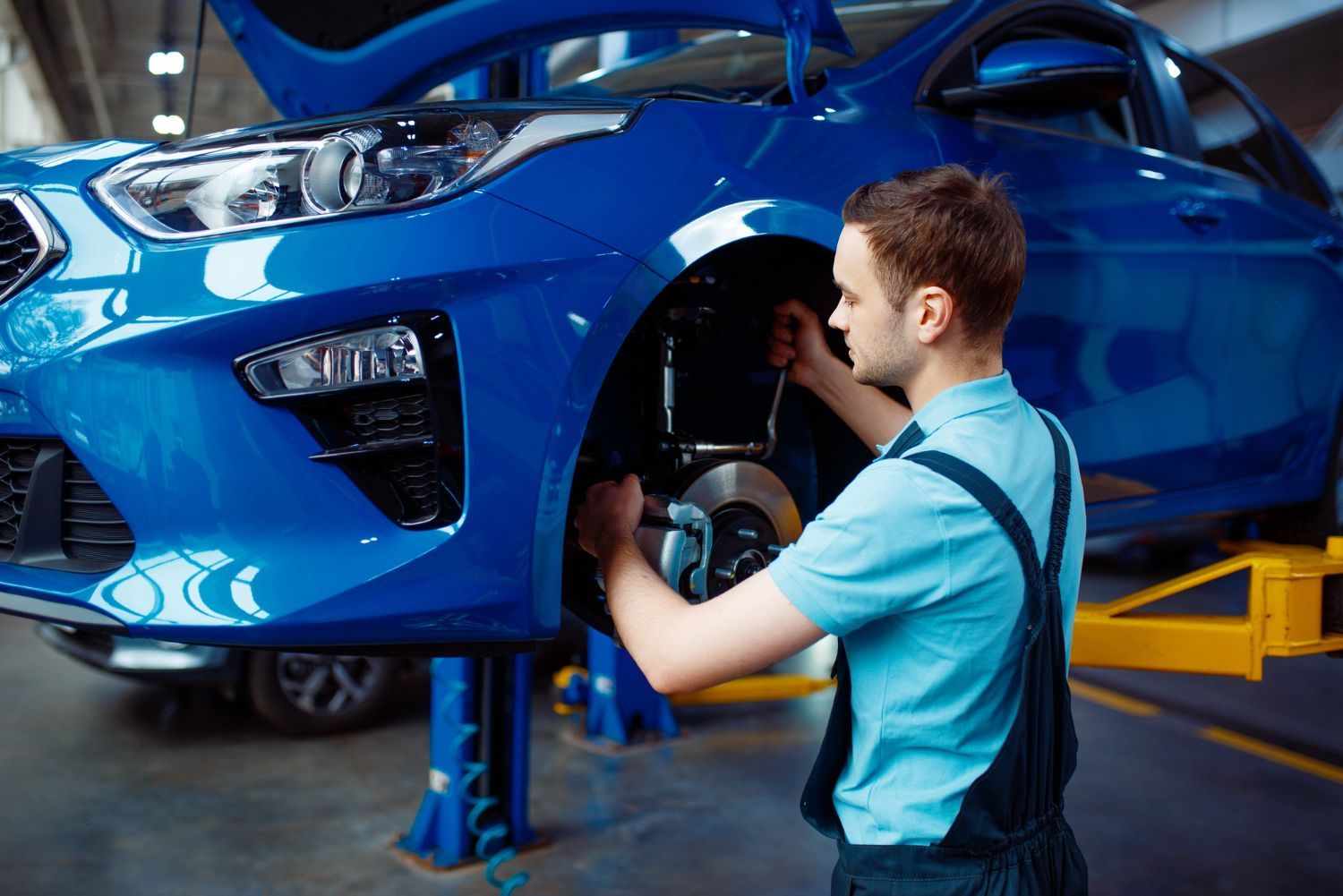
Why Driving with a Cracked Bumper During Fall Leads to Worse Damage
Kingston Collision • October 20, 2026
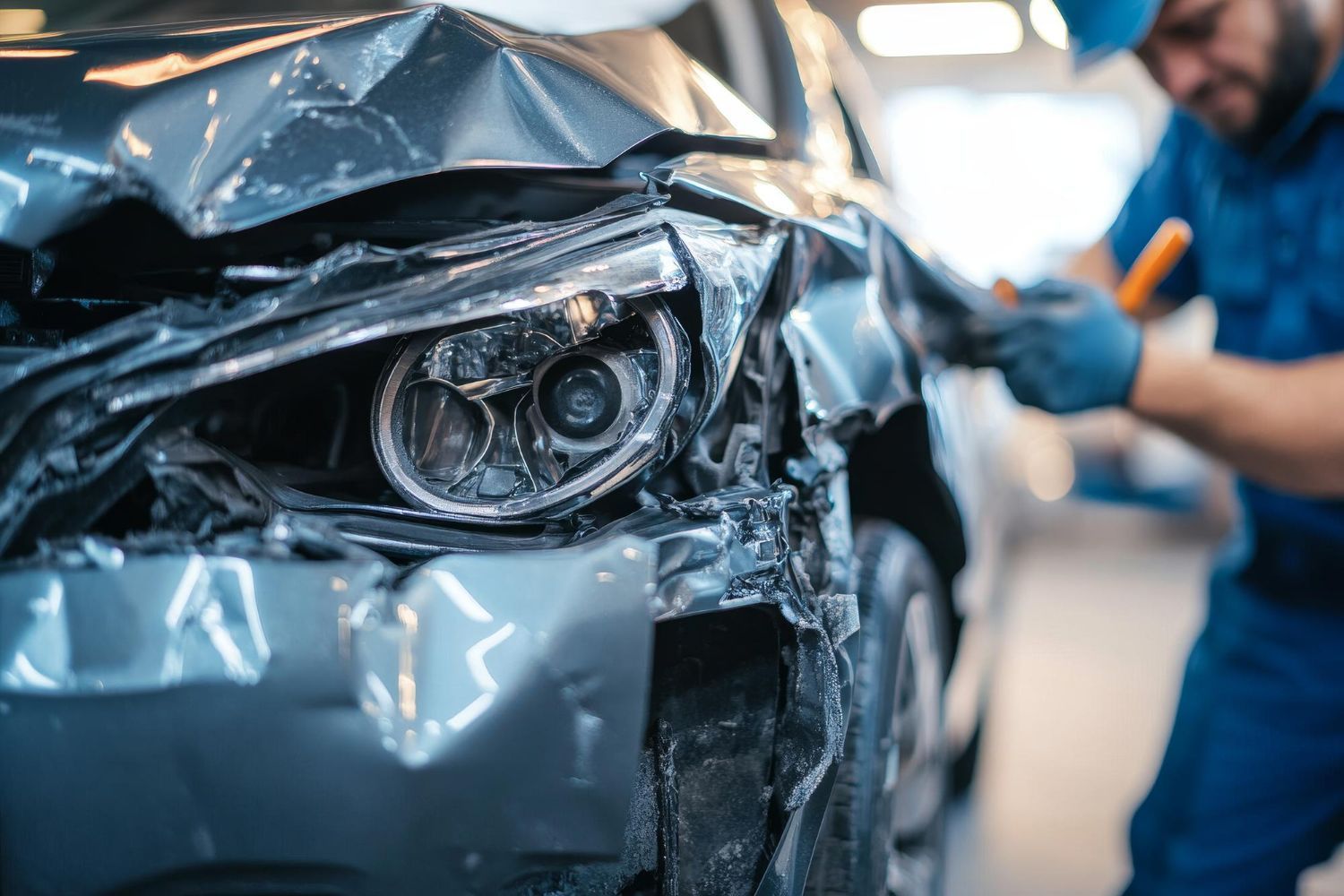
A cracked bumper cover often looks like minor cosmetic damage that you can put off until next year. Drivers routinely tape up the split plastic and assume the structural integrity of the vehicle remains completely fine. At Kingston Collision we know that the outer plastic is just a shield for critical impact absorbers and sensitive electronics hidden underneath. Leaving that split open exposes these vital components to moisture and physical stress as driving conditions become more unpredictable during the fall.
Failing to address collision repairs promptly means your vehicle cannot protect you effectively if another impact occurs. The structural foam and crash bar behind the plastic lose their strength when the outer shell is compromised. Acting quickly ensures your safety systems are fully intact before the roads get busy and visibility drops. This approach prevents a localized cosmetic issue from turning into a major mechanical failure.
In This Article:
- Stage 1: Assess the True Extent of the Damage
- Stage 2: Schedule a Professional Evaluation
- Stage 3: Protect Your Vehicle from Secondary Damage
- Frequently Asked Questions
- Securing Your Safety on the Road
Stage 1: Assess the True Extent of the Damage
Before you continue driving your vehicle you must accurately evaluate the severity of the bumper impact. Identifying structural red flags early prevents you from operating a car with compromised safety systems.
• Check the Bumper Alignment: Look at the seams where the bumper cover meets the front fenders to see if the plastic has shifted out of place.
• Inspect the Grille and Headlights: Verify that the impact did not crack the mounting brackets holding your headlight assemblies or front grille.
• Look for Leaking Fluids: Check the ground directly beneath the cracked bumper for green or pink coolant drips indicating a punctured radiator.
• Test Your Exterior Lights: Turn on your fog lights and turn signals to confirm the impact did not sever any wiring harnesses hidden behind the plastic.
Stage 2: Schedule a Professional Evaluation
A split bumper cover loses all of its aerodynamic and structural tension immediately. Securing an appointment with an auto body shop quickly keeps small plastic tears from ripping wide open at highway speeds.
► Delaying a bumper inspection often allows moisture to short out expensive forward collision sensors located directly behind the cracked plastic.
- Call for Shop Availability: Contact a reputable repair facility immediately to find out their current lead time for structural inspections.
- Request a Sensor Calibration Check: Ensure the facility has the technology to test your advanced driver assistance systems after the impact.
- Submit Photos to Your Shop: Take clear pictures of the crack and any underlying foam visible through the split to help the technicians prepare for your visit.
- Book a Guaranteed Repair Slot: Lock in a specific drop off date so your vehicle is not left vulnerable as the driving season changes.
Stage 3: Protect Your Vehicle from Secondary Damage
While you wait for your scheduled repair appointment you must adjust your driving habits to protect the broken components. Drivers in Kingston, Ontario need to take specific precautions when navigating local roads with compromised safety equipment.
- Increase Your Following Distance: Leave extra space between you and the car ahead because your primary crash absorber is no longer fully functional.
- Avoid High Pressure Car Washes: Do not force high pressure water into the cracked plastic because it will drive moisture directly into your electronic sensors.
- Skip Highway Speeds if Flapping Occurs: Keep your speed down on local routes if the broken plastic vibrates or catches the wind.
- Listen for Warning Chimes: Pay close attention to dashboard alerts indicating that your parking sensors or lane assist cameras have failed due to exposure.
Frequently Asked Questions
Can a cracked bumper fail during a second impact?
A cracked bumper cover has already released the structural tension required to distribute kinetic energy evenly. During a second collision the broken plastic will shatter instantly rather than flexing to absorb the blow. This transfers the full force of the accident directly into the metal crash bar and the passenger cabin.
Do bumper covers protect internal sensors?
Modern bumpers house a complex network of ultrasonic sensors and radar units that control your automatic braking systems. The outer plastic cover keeps road dirt, water, and salt away from these highly sensitive electronics. Once the plastic is cracked moisture penetrates the wiring harnesses and quickly causes system failures.
How quickly should I fix a cracked front bumper?
You should secure professional repair services as soon as the damage occurs to prevent the underlying structural foam from degrading. When the internal impact absorbers are exposed to rain and daily temperature fluctuations they break down and lose their rigid density. Fixing the outer cover quickly protects the expensive internal components from permanent environmental damage.
Securing Your Safety on the Road
Operating a car with a compromised bumper drastically reduces your protection against unpredictable road hazards. Getting the structural plastic properly repaired guarantees your safety sensors and impact absorbers function exactly as designed.
Contact our team to book your repair appointment before the available slots fill up this season.
Share This Blog